
The Ultimate Aquariums Purchase Guide: Finding the Right Aquariums for Sale
- Ryan McKeel
- Jan 12
- 4 min read

Choosing the perfect aquarium can be an exciting yet overwhelming experience. Whether you are a beginner or an experienced hobbyist, selecting the right tank is crucial for creating a thriving aquatic environment. This guide will walk you through everything you need to know about aquariums, helping you make an informed decision when browsing for aquariums for sale.
Understanding Different Types of Aquariums
Before diving into the purchase process, it’s important to understand the various types of aquariums available. Each type serves different purposes and suits different lifestyles.
Freshwater Aquariums: These are the most common and beginner-friendly. They house freshwater fish like guppies, tetras, and bettas. Freshwater tanks are generally easier to maintain and less expensive.
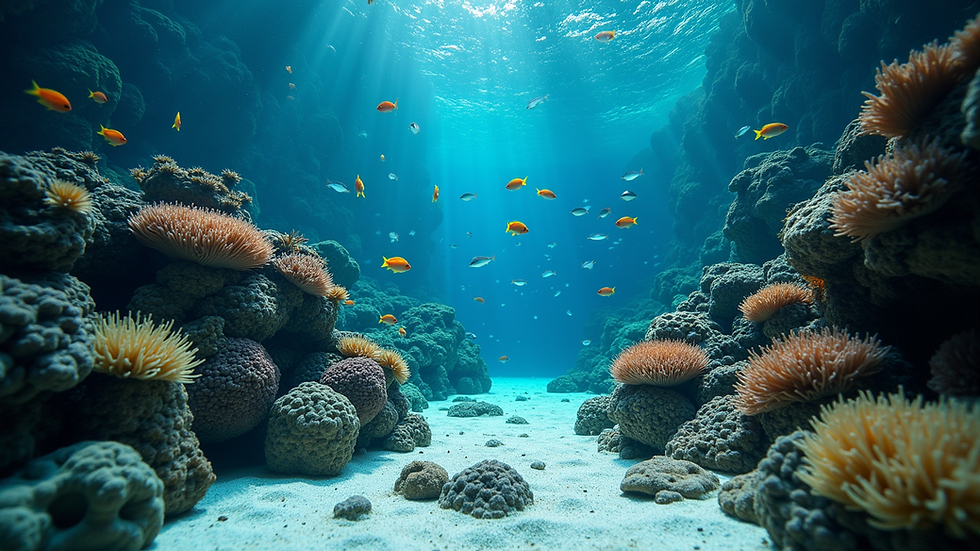
Saltwater Aquariums: These tanks are for marine fish and coral. They require more equipment and maintenance but offer a stunning display of colorful species.
Brackish Aquariums: These are a mix of freshwater and saltwater, suitable for species that thrive in estuaries.
Planted Aquariums: Focused on aquatic plants, these tanks create a natural ecosystem and often require specialized lighting and substrates.
Knowing the type of aquarium you want will narrow down your options and help you focus on tanks designed for your specific needs.

Aquariums Purchase Guide: Key Factors to Consider
When looking for the right aquarium, several factors come into play. This section will guide you through the most important considerations.
Size and Space
The size of the aquarium is one of the first things to decide. Consider the space where you plan to place the tank. Measure the area carefully and think about accessibility for maintenance.
Small tanks (5-20 gallons) are suitable for beginners or limited spaces but require more frequent water changes.
Medium tanks (20-50 gallons) offer more stability and variety in fish species.
Large tanks (50+ gallons) provide a stable environment and allow for diverse aquatic life but need more space and investment.
Material and Build Quality
Aquariums are typically made from glass or acrylic.
Glass tanks are scratch-resistant and usually more affordable but heavier.
Acrylic tanks are lighter and more impact-resistant but can scratch easily.
Check the quality of seals and joints to avoid leaks. A well-built tank ensures durability and safety for your aquatic pets.
Filtration and Equipment Compatibility
A good filtration system is essential for maintaining water quality. Ensure the aquarium you choose can accommodate the necessary filters, heaters, and lighting.
Look for tanks with built-in filtration options or enough space to install external filters.
Consider the type of lighting needed, especially for planted or saltwater tanks.
Budget Considerations
Aquariums come in a wide price range. Besides the tank itself, factor in the cost of accessories, fish, plants, and ongoing maintenance.
Set a realistic budget that covers initial setup and future expenses.
Sometimes investing a bit more upfront can save money and hassle later.
Setting Up Your Aquarium: Practical Tips for Beginners
Once you have selected your aquarium, setting it up correctly is vital for the health of your aquatic life.
Location and Stand
Place your aquarium away from direct sunlight to prevent algae growth and temperature fluctuations. Use a sturdy stand that can support the tank’s weight when filled with water.
Cycling the Tank
Before adding fish, cycle the tank to establish beneficial bacteria that break down waste. This process can take several weeks but is crucial for a healthy environment.
Adding Substrate and Decorations
Choose substrates like gravel or sand based on the species you plan to keep. Add decorations such as rocks, driftwood, and plants to create hiding spots and mimic natural habitats.
Water Quality and Testing
Regularly test water parameters like pH, ammonia, nitrite, and nitrate levels. Use water conditioners and perform partial water changes to maintain optimal conditions.

Choosing the Right Fish and Aquatic Life
Selecting compatible fish and aquatic creatures is essential for a harmonious aquarium.
Research species that match your tank size and water conditions.
Avoid overcrowding; a general rule is one inch of fish per gallon of water.
Consider temperament and compatibility to prevent aggression.
Include a mix of bottom dwellers, mid-level swimmers, and surface fish for a balanced ecosystem.
Maintenance and Long-Term Care
Maintaining your aquarium is an ongoing commitment. Regular tasks include:
Weekly water changes of 10-20% to keep water clean.
Filter maintenance to ensure efficient operation.
Monitoring fish health for signs of disease or stress.
Cleaning algae from glass and decorations.
Keeping a maintenance schedule helps prevent problems and keeps your aquarium looking beautiful.
Where to Find Quality Aquariums for Sale
Finding reliable sources for aquariums is key to getting a quality product. Many pet stores and online retailers offer a wide range of options. When searching for aquariums for sale, look for:
Positive customer reviews and ratings.
Clear product descriptions and specifications.
Good return policies and customer support.
Competitive pricing and warranty options.
Buying from reputable sellers ensures you receive a tank that meets your expectations and lasts for years.
Enhancing Your Aquarium Experience
Beyond the basics, there are many ways to enhance your aquarium hobby:
Experiment with aquascaping to create stunning underwater landscapes.
Join online forums and local clubs to connect with other enthusiasts.
Attend aquarium expos and workshops to learn new techniques.
Upgrade equipment as you gain experience for better control and aesthetics.
The more you invest in learning and creativity, the more rewarding your aquarium journey will be.
Choosing the right aquarium is the foundation of a successful aquatic hobby. By understanding your options, planning carefully, and maintaining your tank properly, you can enjoy a vibrant and healthy underwater world for years to come. Happy fishkeeping!


Comments